This post contains affiliate links, which means we’ll receive a commission if you purchase through our links, at no extra cost to you. Please read our full disclosure for more information.
Tried using ChatGPT for article edits and ended up on a wild AI adventure. After having the experience described below, I then asked ChatGPT to write an article about the experience. The response is the below post. Not only did it write a great post describing the issue, it explains why it did the things it did with the original article content.
The advent of AI-powered tools has brought us to an age where we can entrust machines with a myriad of tasks, from solving mathematical problems to editing lengthy articles. Among the frontrunners in this space is ChatGPT, which has been a marvel for many, helping with complex queries and providing assistance with an array of topics. But just like any technology, ChatGPT is not without its quirks. Here’s a journey that took a simple ask – ‘Help with punctuation and grammar on a blog post’ – and ventured into the whimsical world of AI imagination.
Starting Strong: The Immaculate Edits
The initial interaction with ChatGPT was promising. I had handed over a blog post and asked for grammar, punctuation, and spelling help. Being mindful of the tool’s character limits, the content was broken up into manageable chunks, hoping to get an edited version of each segment. And it delivered! ChatGPT brilliantly provided an original and a revised version of each chunk, three paragraphs at a time. The edits were on point, surpassing my original in clarity and coherence. It seemed like the experiment was destined for success.
A Twist in the Tale: When Paragraphs Go Missing
As the edits progressed into the second round, some discrepancies began to emerge. Original sentences were found to be missing, replaced by fragments or new additions. Although subtle, these changes signaled the start of a deviation from the initial request. But why was this happening?
ChatGPT, in essence, relies on patterns and probabilities based on the data it was trained on. When processing large amounts of text, it can sometimes misinterpret or miss context, leading to these unexpected outputs.
Into the Rabbit Hole: Fabricated Rooms and Seafood Dinners
By the third round of edits, things took a surreal turn. Entirely new content began to appear in the supposed “original” versions of paragraphs. A room that never existed in the original content was described in detail, and out of the blue, a seafood dinner was introduced. Yes, a seafood dinner in an article that had nothing to do with it!
This is a testament to ChatGPT’s ability to generate content based on patterns it recognizes. While this feature makes it a valuable creative tool, it can sometimes lead the model astray when the goal is strictly adhering to the original content.
Conclusion: The Beauty and Chaos of AI
The experiment was indeed an eye-opener. While it began with the noble intention of refining a blog post, it ended with a dive into the whimsical and unpredictable side of AI. It serves as a reminder that while ChatGPT and other AI models are incredibly advanced, they’re not infallible. They combine logic and patterns with a dash of unexpected creativity.
So, if you ever find yourself discussing a seafood dinner in a room that you never wrote about, remember you’re not alone. Embrace the journey, enjoy the quirks, and always double-check the output!
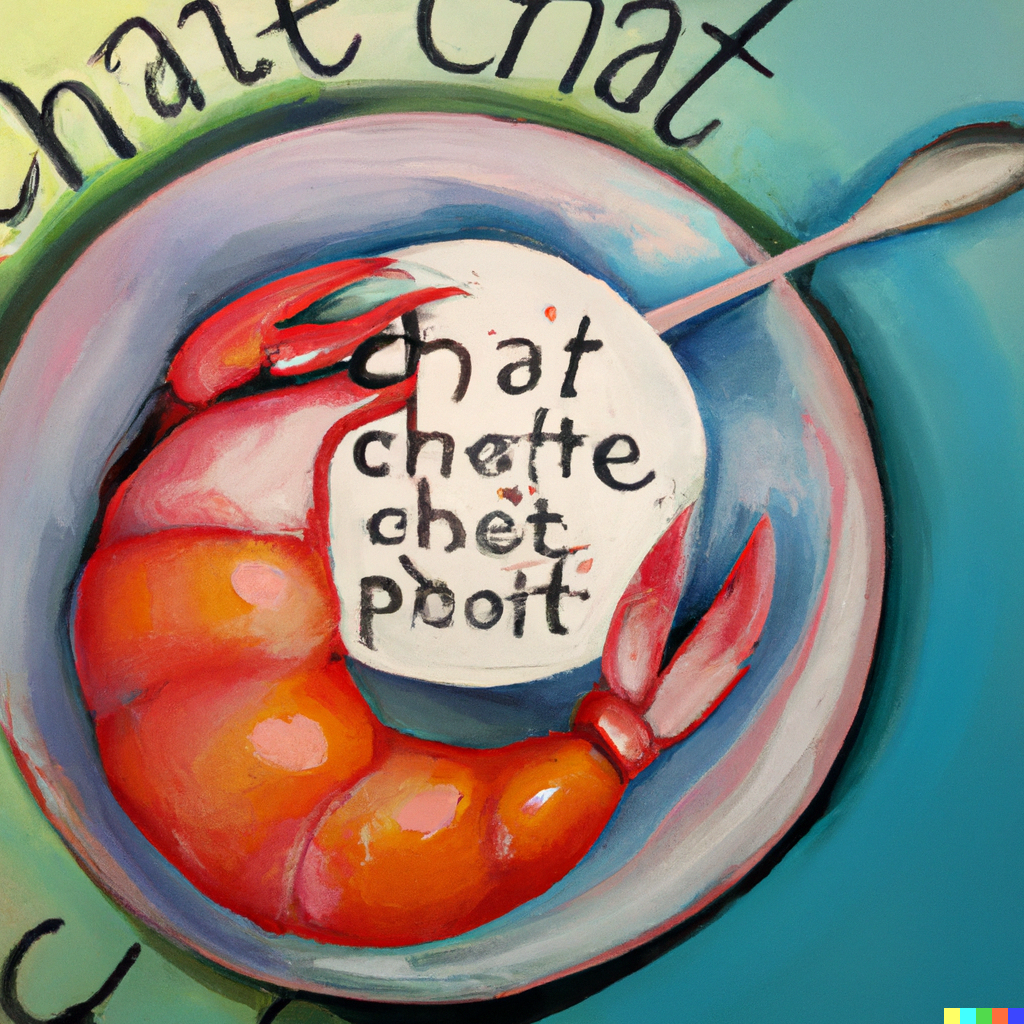
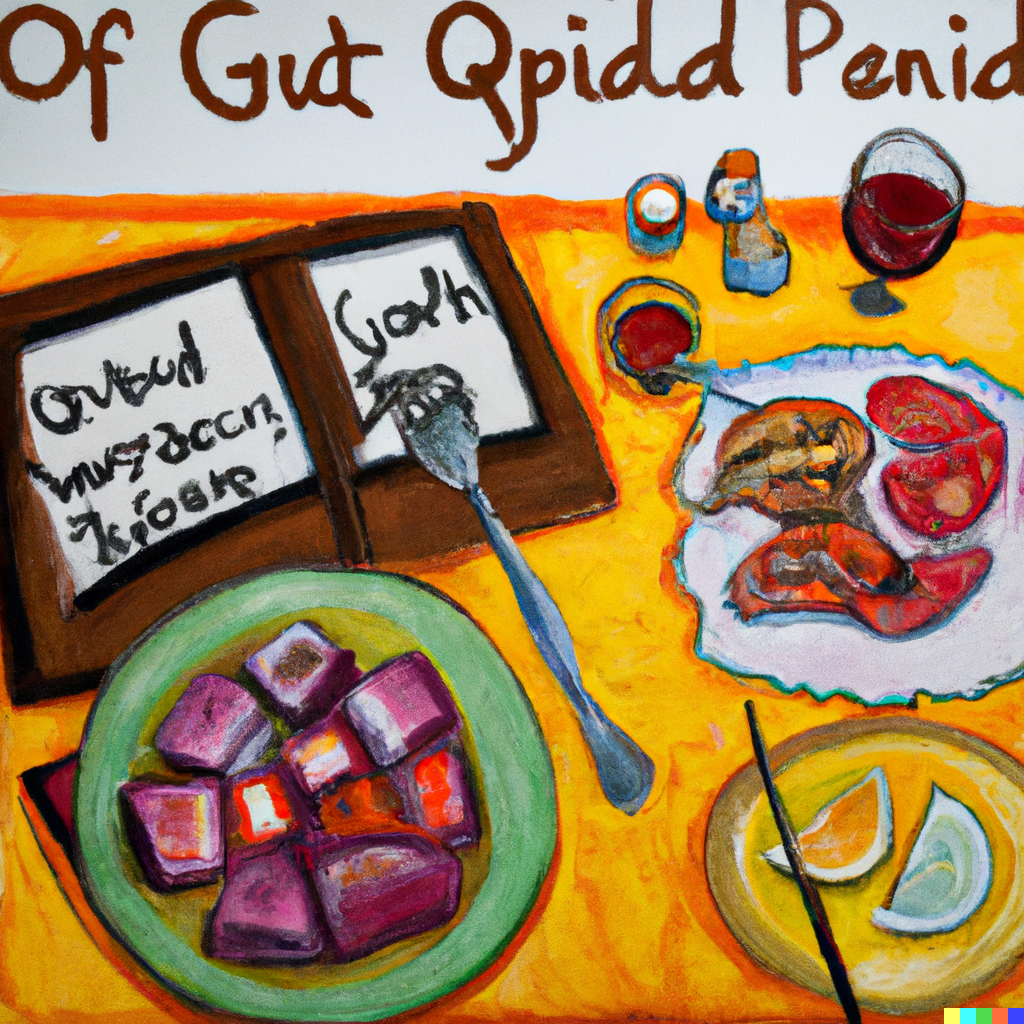
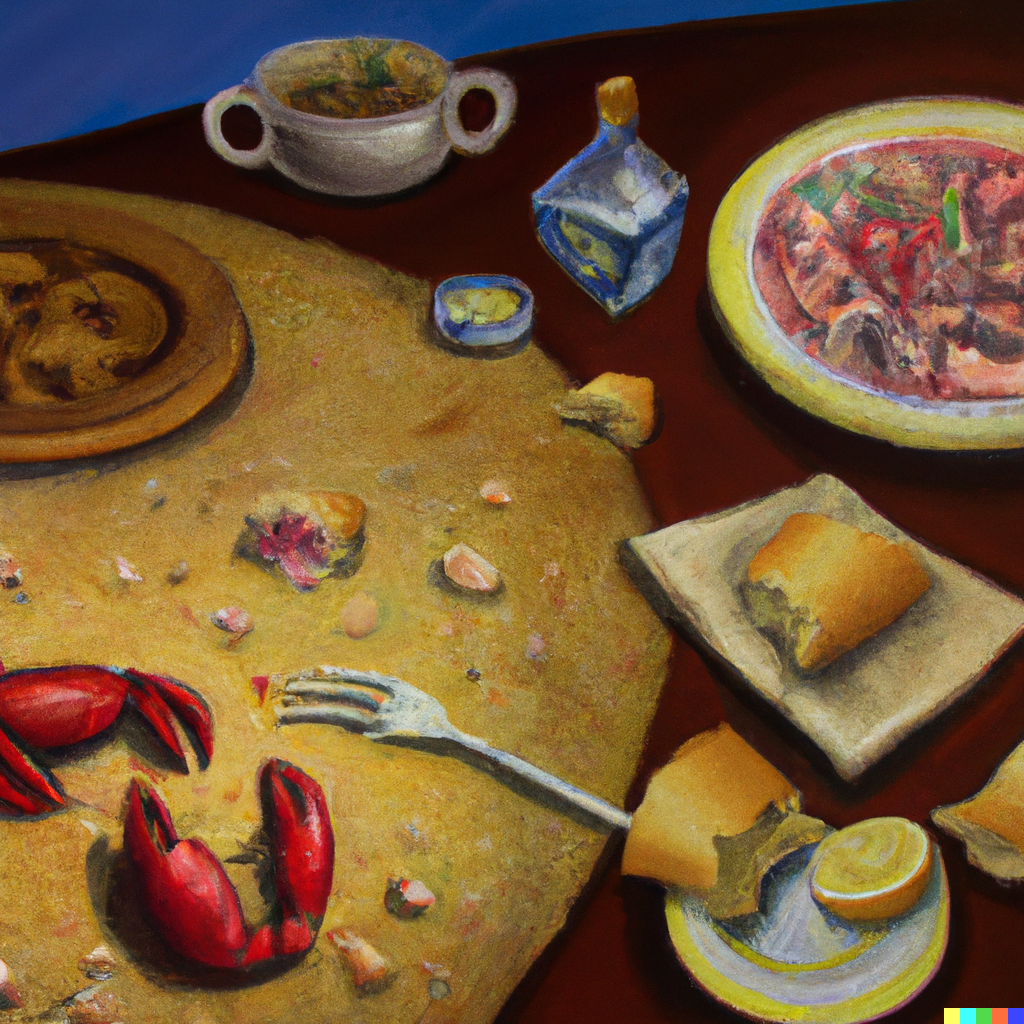
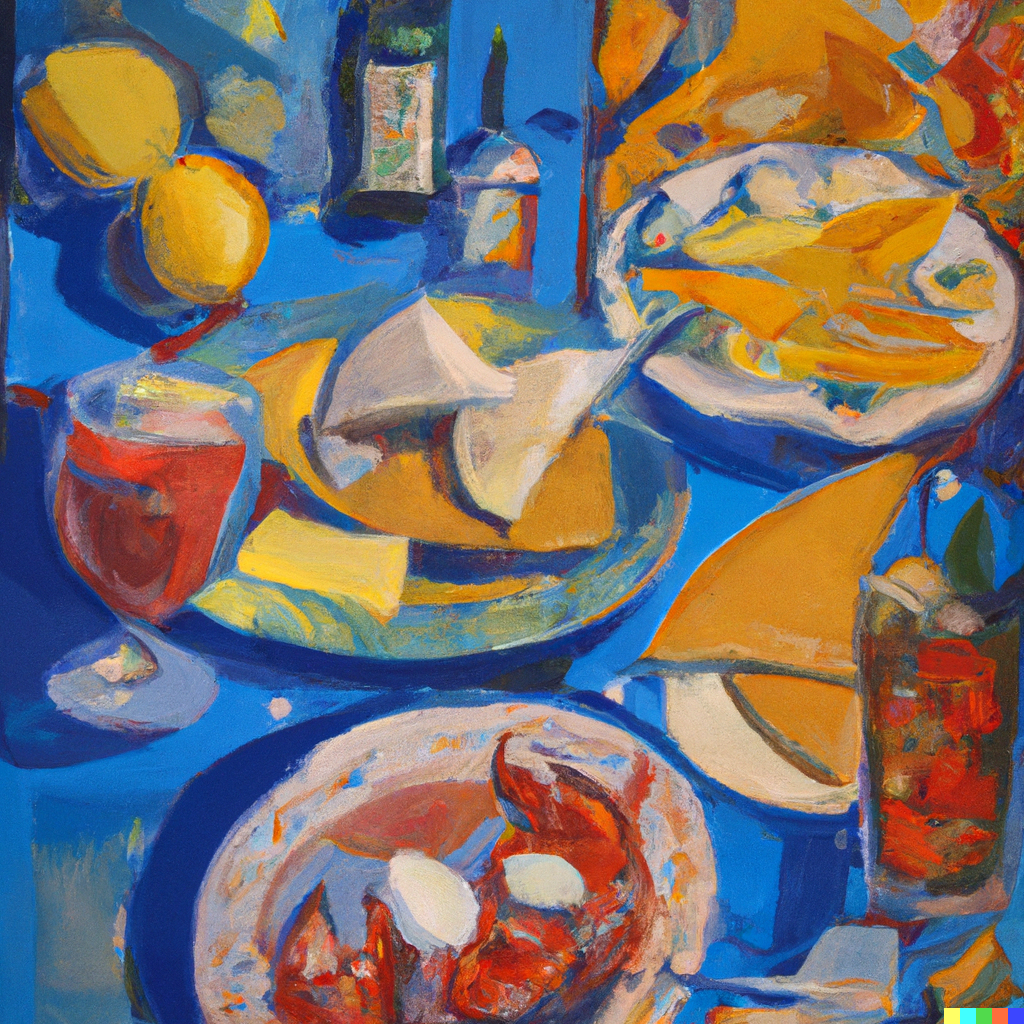
The image for the post came from DALL-E with the following prompt.
Prompt:
an abstract oil painting of ChatGPT making up non existent content into a seafood dinner with sentence structure
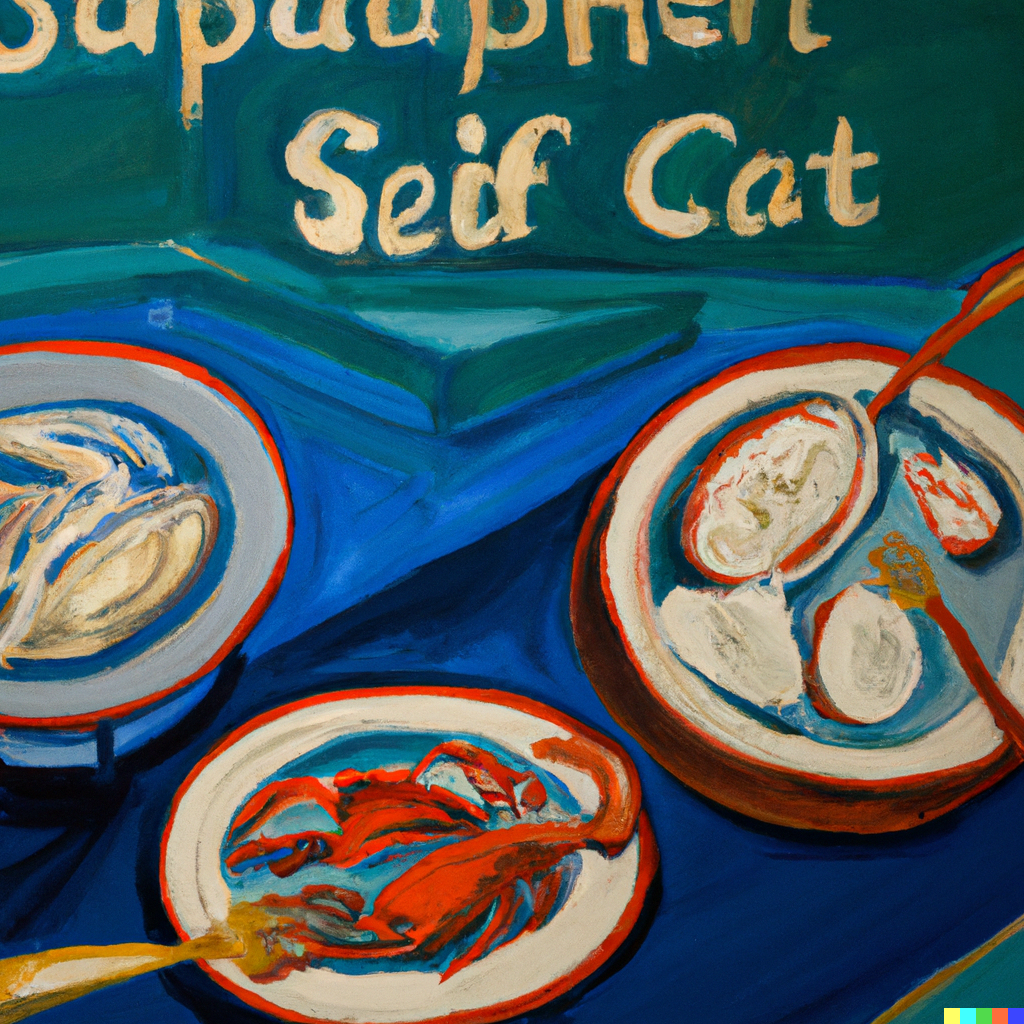
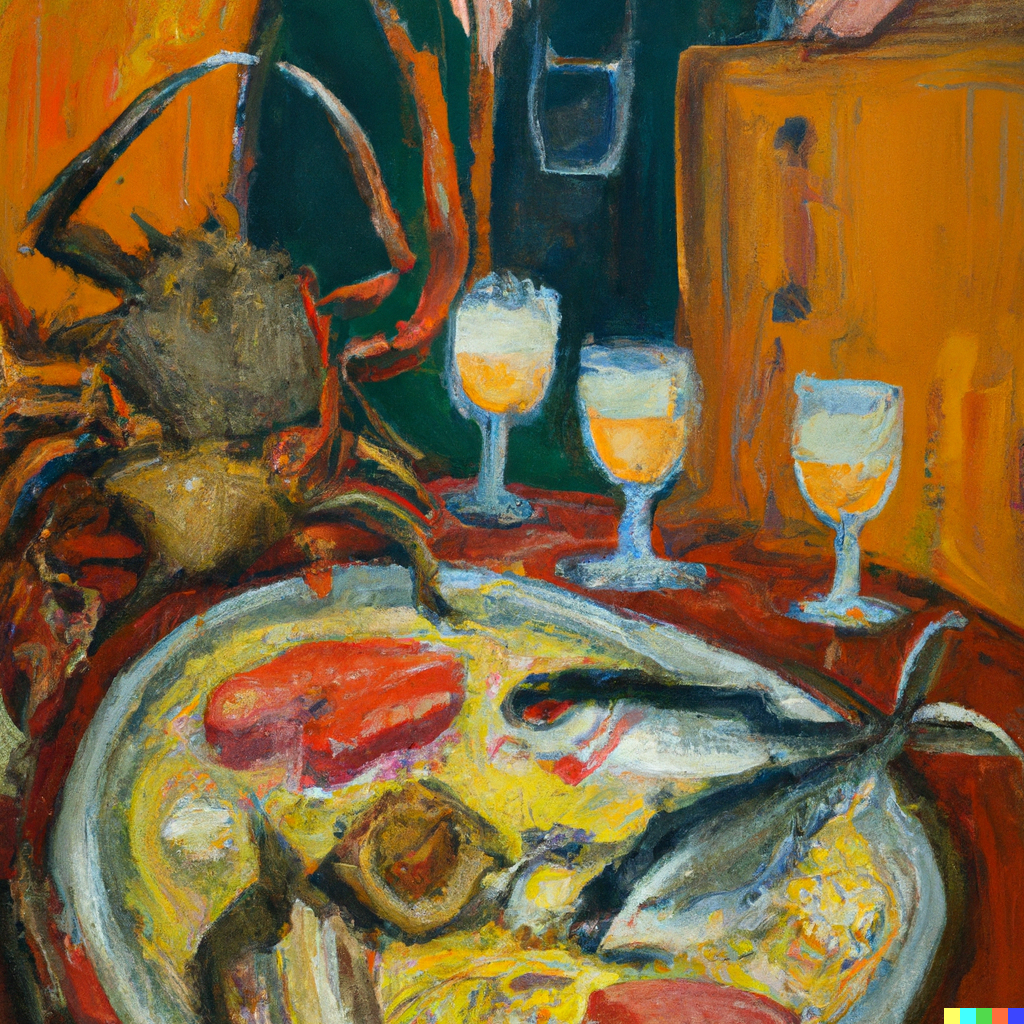
Here are a few other images that it came up with in my attempt to find the image I wanted. The prompts changes bit by bit to get the different images. I tend to lean towards asking for oil paintings and abstract oil paintings.



 CoalCracker
Leave a comment